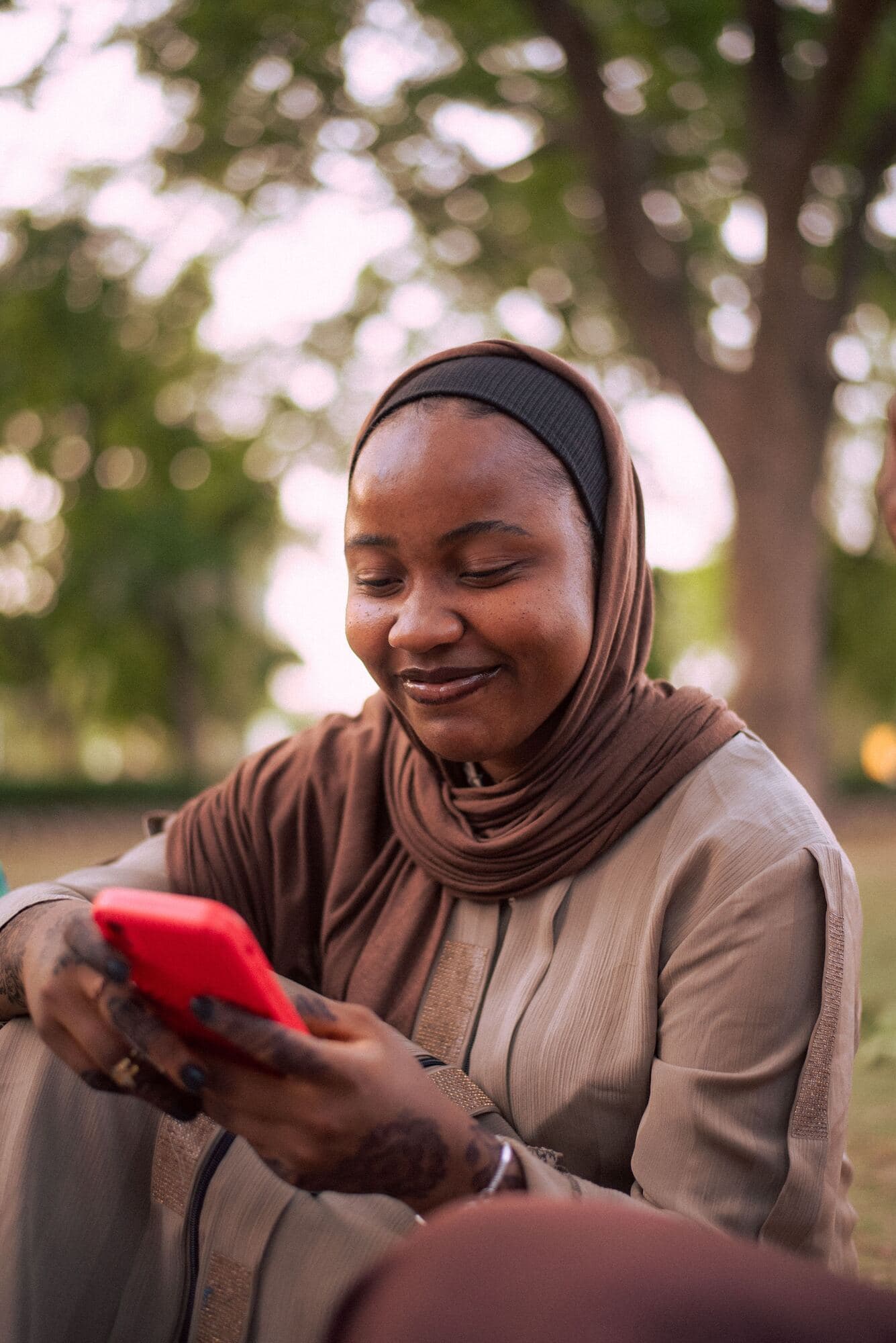
A friendly, relaxed session
A calm, friendly talk in plain words. We are there to help you, not to judge you.
A free guide for girls
Clear, kind answers about your body, your period and your health.
Start here
This guide is for you. It explains your body, your period, keeping clean and staying safe — in plain words, with no shame and no judgement. Knowing what is happening helps you look after yourself, feel confident and know when to ask for help.
Please read it before we visit your school. Each topic takes a few minutes: start at the top, or jump to the one you need. Then bring your questions on the day. Every question is welcome — nothing about your body is too small or too embarrassing to ask about.
On the day
A calm, friendly talk in plain words. We are there to help you, not to judge you.
How to use and care for disposable pads and reusable cloth pads, and answers to your questions about other products such as tampons and menstrual cups.
Ask anything. If you would rather not ask out loud, you can write your question down without your name and hand it in.
The guide
Start at the top, or jump to the topic you need. Each one takes a few minutes.
What happens during puberty, and why every girl's timing is different.
Puberty is the time when your body slowly changes from a child's body into an adult's body. For girls it usually starts somewhere between the ages of 8 and 13. Some girls start earlier and some start later. Everyone's timing is different, and that is normal.
Changes you might notice
Do
Don't
What a period is, when it starts, and what is normal.
About once a month, the lining of your uterus (womb — where a baby can grow) gets thicker. This gets it ready in case of a pregnancy. When there is no pregnancy, the lining is not needed. It comes away and leaves your body, with some blood, through your vagina (the passage from your uterus to the outside of your body). This is your period. It is a healthy sign that your body is growing up.
What is normal?
Mark the first day of each period on a calendar, in a notebook or in a period-tracking app. After a few months you will start to see your pattern, so you can have a pad ready in your bag. Your notes also help if you ever need to talk to a health worker.
Some girls notice changes in the days before their period. This is called PMS (premenstrual syndrome). You might feel moody, tired or tearful, have sore breasts, feel bloated (a swollen tummy) or get pimples. PMS usually gets better once your period starts. Exercise, enough sleep and healthy food can help.
Pads, cloth pads, tampons, cups and period pants — and how to use them safely.
There is no single right product. Most girls use disposable pads or cloth pads, and that is completely fine. Choose what is safe, comfortable and affordable for you and your family.
Your choices
How often to change
Washing reusable pads and period pants
Do
Don't
Simple ways to stay clean and comfortable — and what not to do.
Washing every day helps you feel fresh and confident. A bath, a shower or a bucket wash all work. If water is limited, a basin of clean water, soap and a clean cloth works well. Wash more often during your period.
Your vulva (the outside part of your genitals) is different from your vagina (the passage inside your body). Here is the good news: your vagina cleans itself. It makes a fluid called discharge that keeps it healthy. You only need to wash the outside.
Do
Don't
Normal discharge is clear or white. It can be thin and slippery or a bit thick and sticky, and it does not smell strong. The amount changes during the month.
See a health worker if you notice:
Easing cramps, eating well and carrying on with your day.
Many girls get cramps (pain or aching in the lower tummy or back) during their period. Mild cramps are normal. These things can help:
Your body loses some iron when you bleed. Eat iron-rich foods such as beans, dark green leafy vegetables (like ugu or spinach), eggs, fish and meat. Fruit such as oranges helps your body take in iron from plants. Low iron can cause anaemia, which is common in girls. A health worker can check your blood and tell you if you need iron tablets — don't take them without advice. Drink water and try to get a good night's sleep.
Consent, boundaries and staying safe — in person and online.
You decide who can touch you and how. Giving permission is called consent. You always have the right to say no — to anyone, even an adult. Saying no is not rude.
An adult or much older person must never touch your private parts, ask you to touch theirs or ask you for sexual photos, even if you say yes. That is abuse. A doctor or nurse may need to check your body. They should explain why, ask your permission first, and let a trusted adult or a female health worker stay with you if you want.
Remember
Sometimes an older person builds a special friendship with a young person so they can harm them later. This is called grooming. It is often someone the young person knows — a relative, neighbour, family friend, teacher or someone online. Keeping you safe is the adult's job, not yours. If someone does any of these things, tell a trusted adult. You have done nothing wrong.
Do
Don't
Clear facts about pregnancy, infections and protecting your health.
This topic gives you the facts, so you can make safe, healthy choices now and later in life. Your family and your faith may guide you too, and it is good to talk with them.
A pregnancy can start when a man and a woman have sex and a sperm (a tiny cell from a man's body) joins with an egg (a tiny cell from a woman's body). Once your periods have started — and even just before your very first period — your body can become pregnant.
HPV is a very common virus that can cause cervical cancer (cancer at the bottom of the uterus) later in life. The HPV vaccine protects against the types that cause most cervical cancers. It is safe, and it does not affect your ability to have children. In Nigeria it is free for girls aged 9 at government health centres, and some schools hold vaccination days. If you are 10 to 14 and missed it, ask at your nearest primary health centre whether you can still get it free. For most girls one dose is enough, but girls living with HIV need at least 2 doses, and 3 if possible — a health worker will tell you. Ask your parent or guardian or a health worker how you can get it.
A teenage girl's body is still growing. Pregnancy at a young age carries more health risks for the mother and the baby, and it can interrupt her schooling. If you are pregnant or already have a baby, you still deserve respect, good care and the chance to keep learning. See a health worker early, and talk to a trusted adult about staying in school.
Common things people say about periods and bodies — and the truth.
You may have heard some of these from friends, family or online. Here is what is really true.
Myth
Periods are dirty or something to be ashamed of.
Fact
Periods are a normal, healthy part of growing up, and period blood is not dirty or harmful. Some faiths have their own practices during a period — those are about faith, not about hygiene or health. Whatever your faith, you can wash, go to school and play sport as usual.
Myth
Using a tampon or a menstrual cup takes away your virginity.
Fact
Using a tampon or cup does not change whether you are a virgin. Girls of any age can use them once their periods have started.
Myth
You can't get pregnant the first time you have sex, during your period, or if the boy pulls out before he finishes.
Fact
You can. Pregnancy can happen any time you have sex without protection — even the first time and even during your period. Fluid that comes out before he finishes can contain sperm. Washing, or drinking things like salt water or a fizzy drink, does not stop a pregnancy. If you are worried, talk to a health worker as soon as you can.
Myth
A girl who has started her period is ready for marriage or sex.
Fact
Starting your period means your body has started growing up, not that it has finished. Your body and mind are still growing, and pregnancy at a young age carries extra health risks.
Still wondering about something? Bring it to the session. Every question is welcome.
Usually your breasts will have been growing for about 2 years, and you may have noticed clear or white discharge in your underwear. Nobody can know the exact day, so once you see these signs, keep a pad or clean cloth in your bag.
Yes, especially in the first year or two. Your body is still finding its rhythm. But talk to a health worker if your periods stop for 3 months or more, come less than 21 days apart, or are still very irregular a few years after they start.
Most girls lose only a few tablespoons of blood over a whole period, even though it can look like more. It is too much if you soak through a pad or tampon every 1–2 hours, or if your period lasts more than 7 days. If that happens, see a health worker. If you are bleeding heavily and feel faint or dizzy, get help straight away.
Fold some toilet paper or a clean cloth into a pad for now, then ask a female teacher, the school nurse or a friend for a pad. If blood gets on your clothes, tie a sweater or wrapper round your waist. Rinse the stain later in cold water, because hot water makes it stay. It happens to almost everyone, and people are usually glad to help.
Usually not, unless you tell them. Pads don't show through your clothes, and washing every day and changing your pad regularly helps you feel fresh. On heavy days, change more often to avoid leaks. If you ever do have a leak, don't worry — it happens to most girls at some point, and a friend or teacher can help. Periods are nothing to be ashamed of.
Yes. Clear or white discharge is your vagina keeping itself clean and healthy. See a health worker if it smells bad, makes you itch, or turns green, grey, yellow or thick and lumpy.
Yes. If you have sex without protection you can get pregnant — even the first time, even during your period and even before your very first period. Sperm can live inside the body for up to 7 days. If you have had sex without protection, talk to a health worker as soon as you can. There is medicine that can stop a pregnancy from starting (emergency contraception), but it only works within a few days and works best the sooner it is taken. If your period is late and you might be pregnant, see a health worker early. Never take herbs, drinks or tablets from friends or a chemist to end a pregnancy. They can seriously harm or even kill you. If you have already taken something, go to a health centre or hospital straight away — health workers are there to help you.
A trusted adult, such as a parent or guardian, an aunt, an older sister, a teacher, the school nurse or a school counsellor. A health worker at your nearest clinic or health centre can help too. At our session you can ask anything, and you can ask in writing without giving your name. If someone is hurting you, don't wait — tell a trusted adult today, or call the free child helpline on 0800 800 8001, day or night.
Need help now?
Most changes in your body are normal. But some signs mean you should see a health worker — a nurse, a doctor or someone at a clinic or health centre. You are not making a fuss. Getting checked is the right thing to do.
See a health worker if:
Questions about the session? Contact us. We may not see messages for a few days, so if someone is hurting you or you need help now, use the numbers above instead.
For adults
Her Health Matters sessions cover puberty, periods and period products, personal hygiene, consent and personal safety, and health basics: how pregnancy happens, why it is good to wait, infections such as HIV, the HPV vaccine, and how condoms lower the risk of infection and pregnancy.
Our approach. Our content is factual, suited to each age group, and respectful of families, faith communities and schools. It follows World Health Organization (WHO) guidance. It encourages young people to wait and to talk with their families. Research shows that clear, accurate information helps young people stay safe and does not lead to earlier sex. Parents and teachers are welcome to read this whole guide before the session.
How you can help
Questions about the sessions? We are happy to talk — please contact us.
For teachers and parents
Print the QR code for a noticeboard or classroom, or send the link, so every girl can read the guide before we visit.
